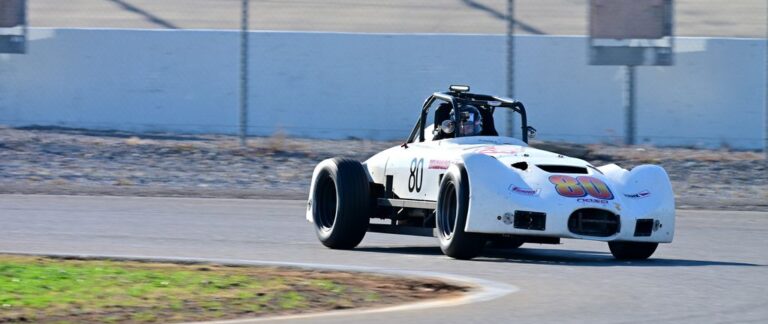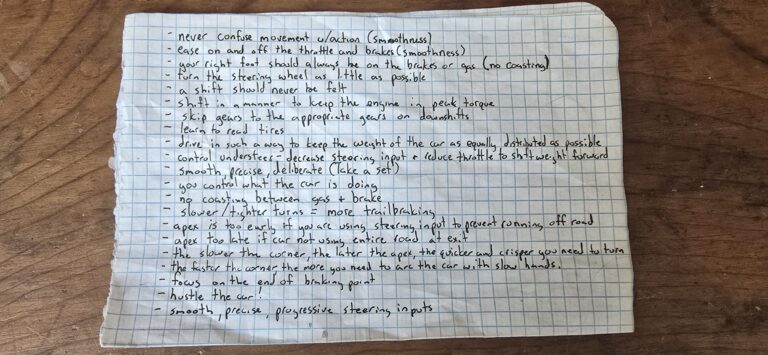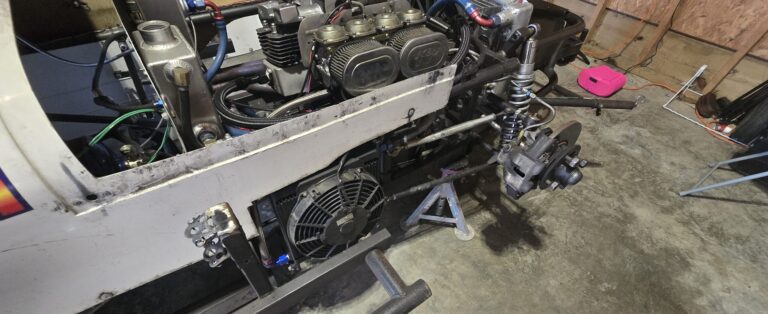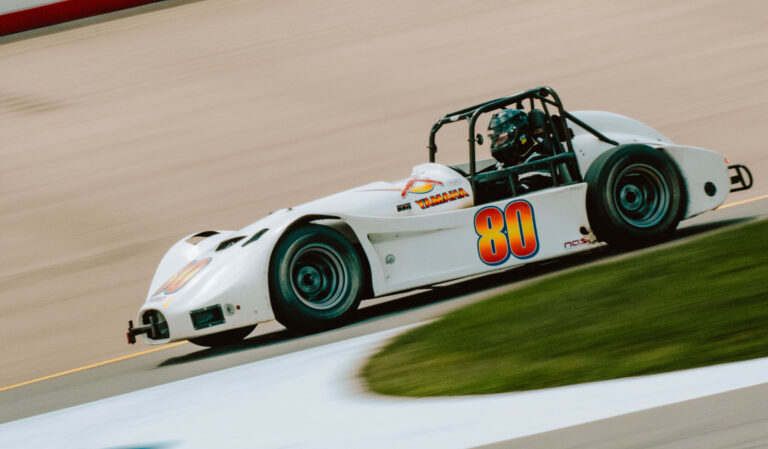
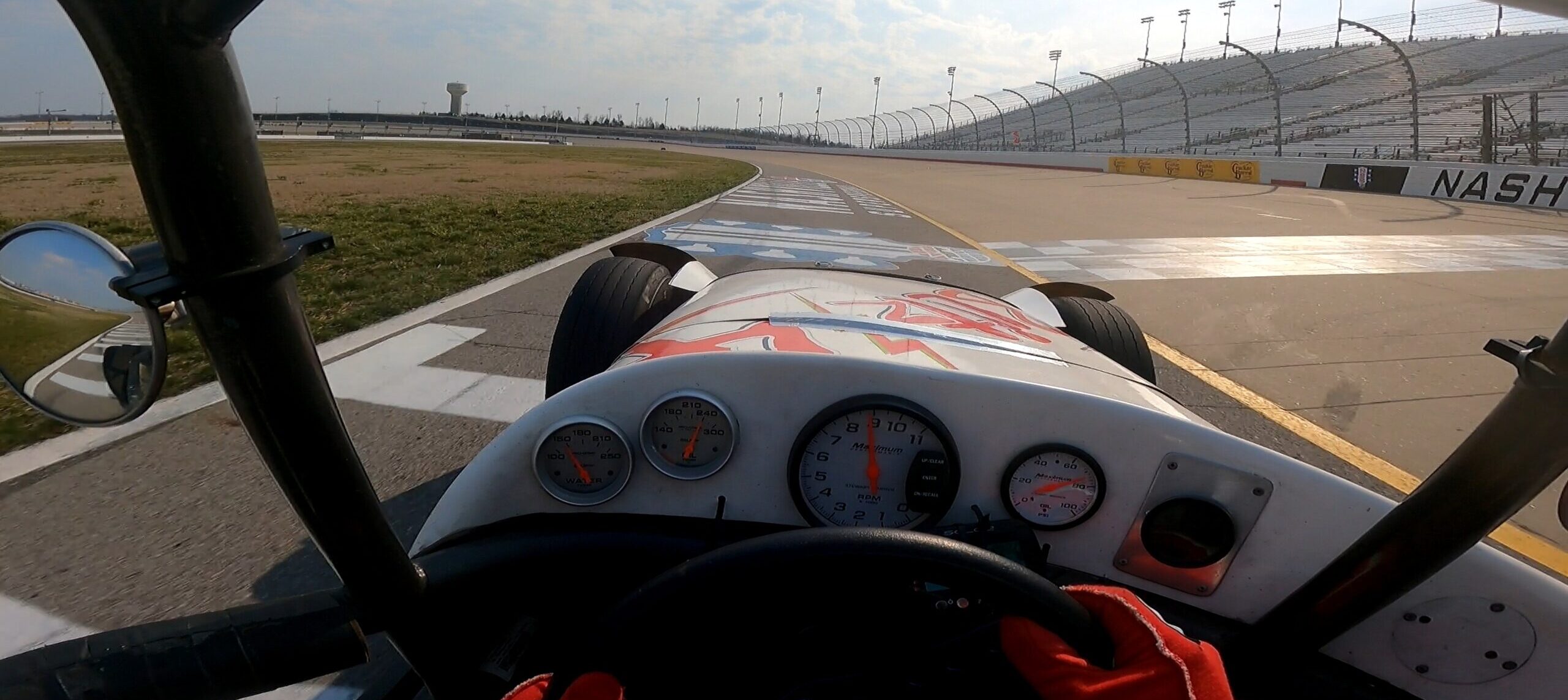
With a strained left calf and a race days away, I had two options: sit it out, or figure out how to drive the Thunder Roadster without relying on the clutch. Never one to be deterred, I chose the latter and set about testing several methods to do just that. And decided to modify the gas pedal to facilitate proper heel-toe shifting and using throttle modulation to shift gears.
How to Shift a Sequential Gearbox Without the Clutch
Learning how to shift a sequential gearbox without the clutch is an important skill in motorcycle-powered racecars and other vehicles with dog-engagement transmissions. Unlike synchronized gearboxes found in most street cars, sequential transmissions will shift smoothly as long as torque is briefly removed from the drivetrain during the shift.
This can be accomplished by momentarily lifting off the throttle for upshifts or by blipping the throttle during downshifts.
Background on Shifting the Thunder Roadster
A little background is in order for this madness. Technically, the Thunder Roadster can be driven without the clutch with proper technique. As mentioned above, it has a motorcycle transmission with a sequential gearbox. However, the pedal layout in the roadster is a little wonky, so with a minor adjustment, I will bring the gas pedal into heel-toe range to facilitate the downshift blips under braking. At which point, I will be able to use two separate techniques for upshifts and downshifts. Allowing me to shift the bike-engined car (BEC) at speed without the clutch.
First, let’s look at the techniques.
Clutchless Upshift Technique
The upshift technique is super easy and something I will integrate into my driving permanently. You simply pull (not force) the shift lever back and then breathe off the throttle quickly and immediately back on. This momentarily disrupts the torque holding the gear in place, and the next gear will ‘snick’ into place. Do not force the gear shift. The motion is smooth, precise, seemed less jarring than using the clutch, and probably saved a few tenths on lap time. More on that later.
Clutchless Downshifting (Heel-Toe and Blips)
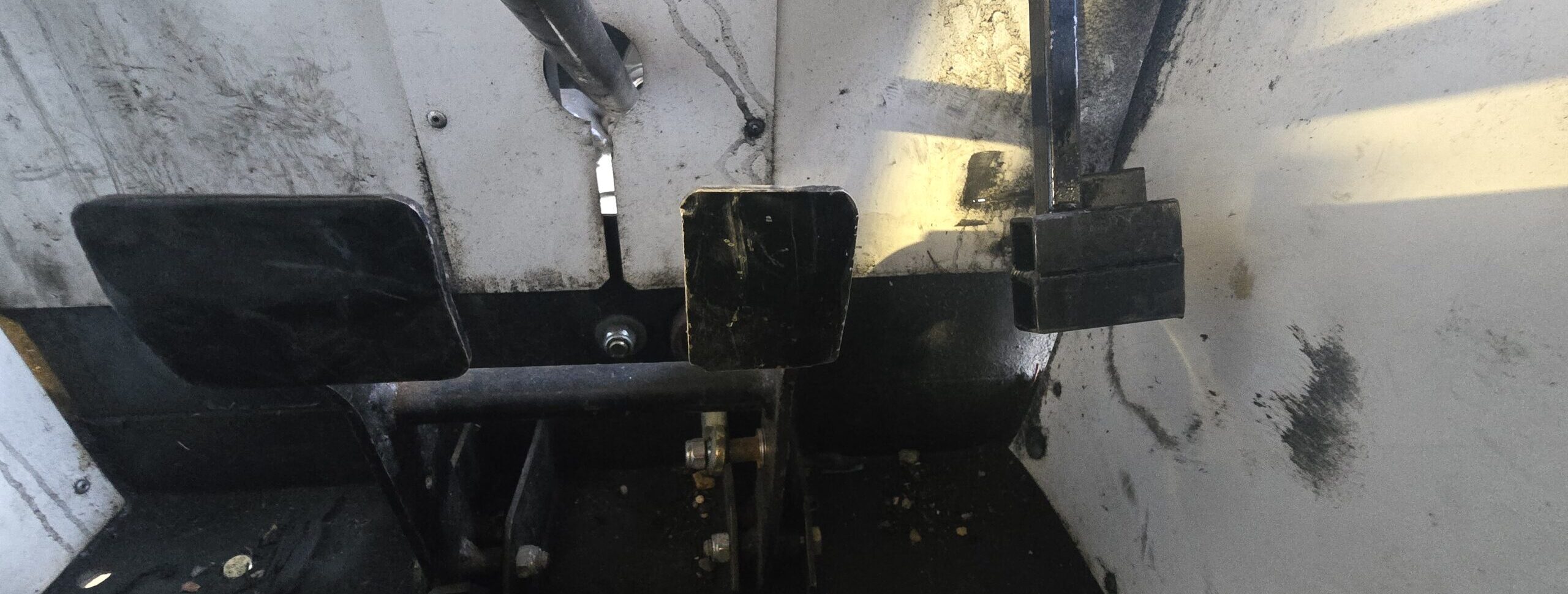
This is where it gets a little more complicated. In order to downshift without the clutch, you must blip the throttle. However, on the racetrack, downshifts are almost always done while on the brakes. And in the case of the Thunder Roadster, the gas and brake pedal geometry are not conducive to right foot blips while on the brakes. In short, the gas pedal is too far away depth-wise while braking.
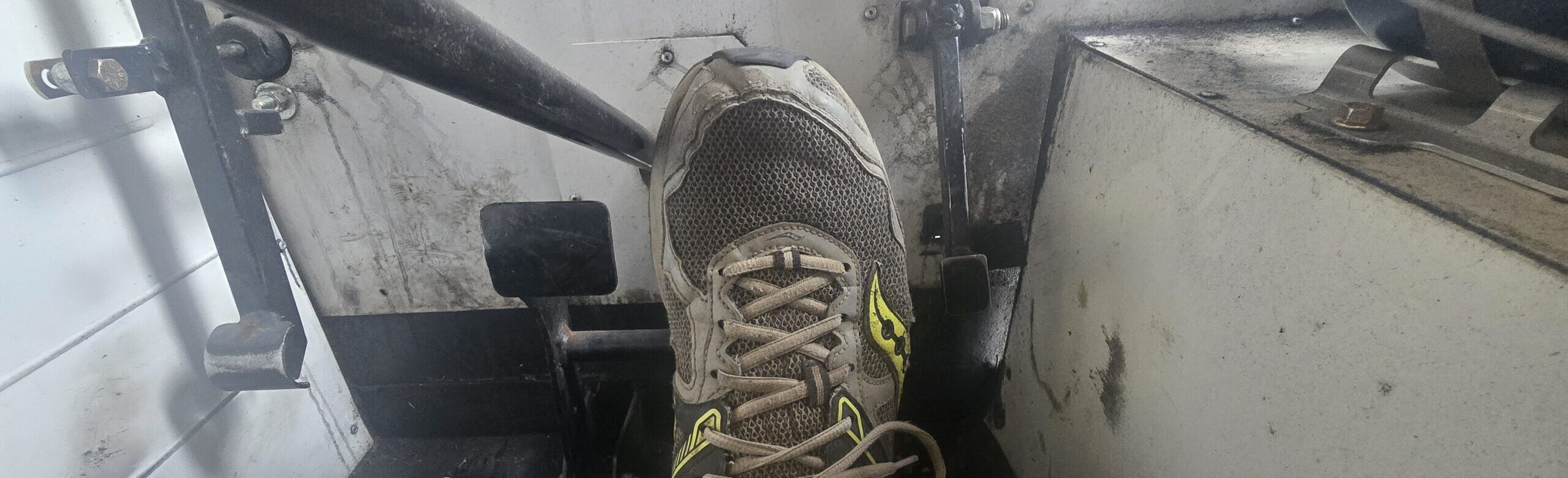
The simple solution is to add material to the gas pedal face so that when you are threshold braking, the gas pedal face is parallel to the brake pedal face. Then, the heel or the side of the right foot can be used to blip the throttle. Think of a very light heel-toe motion.
The shifting procedure is the opposite of upshifts. While braking, you give the throttle a little blip and engage the downshift (forward on the lever) at the same time. This one is a little trickier and less forgiving timing-wise, but I was able to pick it up in just a few laps. The real nuance here is that you need quite a bit less throttle than you do in a synchronized, non-sequential car.
Modifying the Pedals for Heel-Toe Downshifts
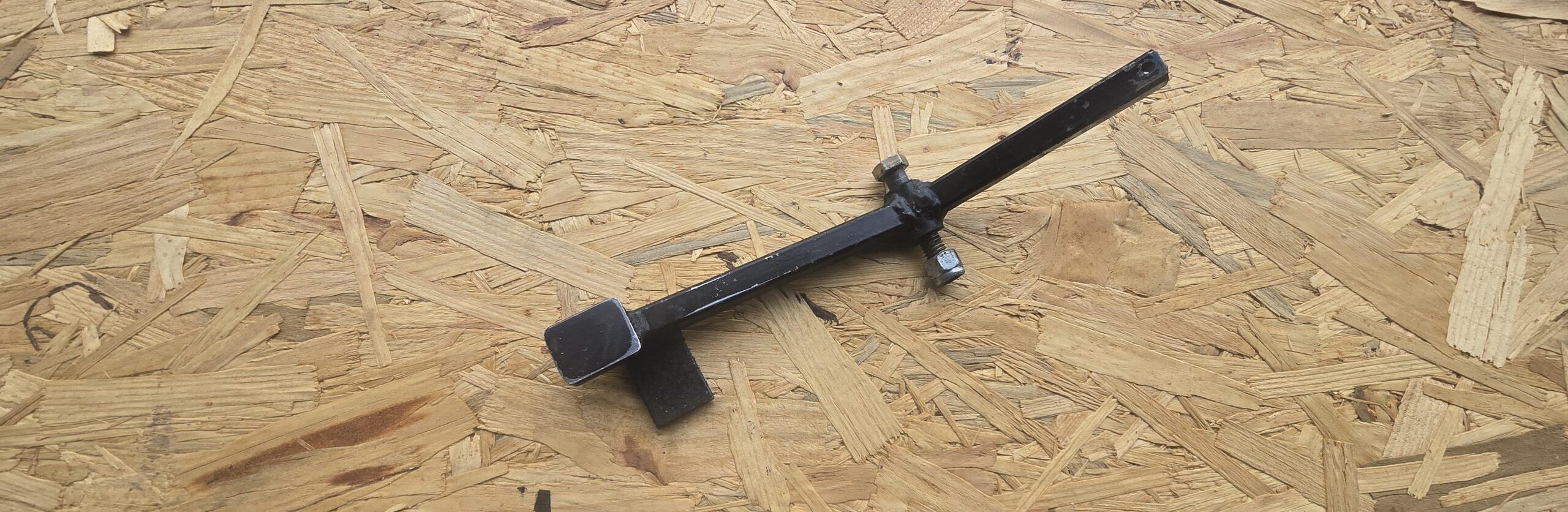
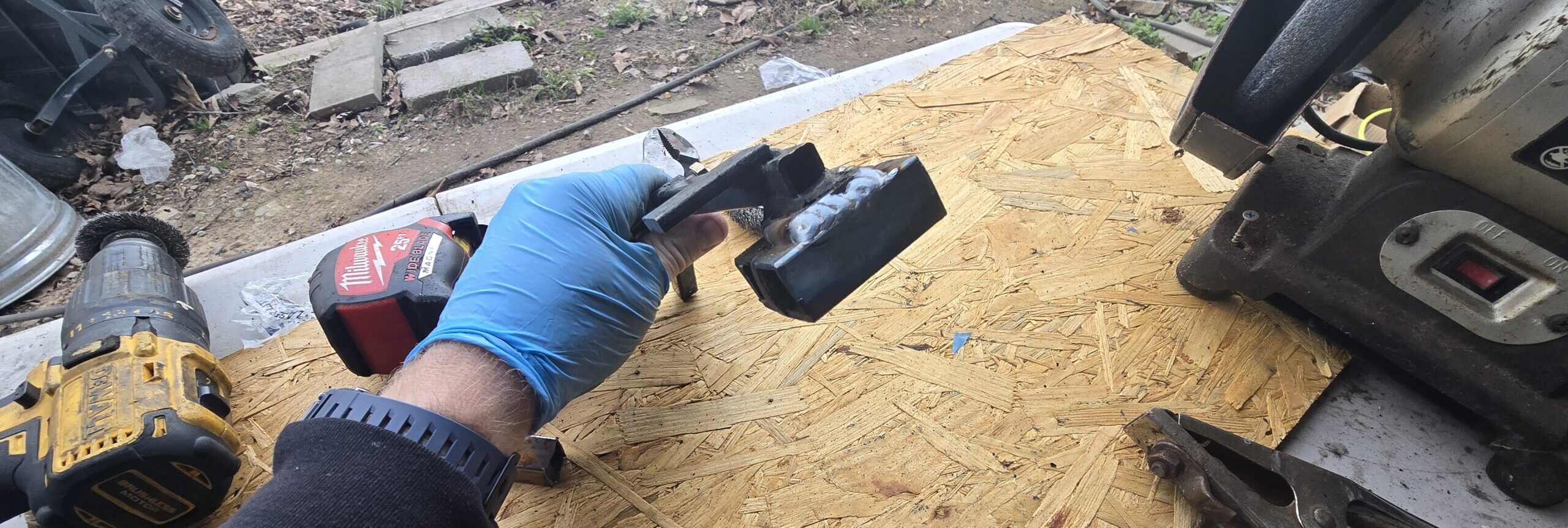
To bring the unpressed gas pedal up to the pressed brake pedal, I welded two pieces of the 1/2″ square steel tubing to the pedal face. I also made the new pedal face a bit wider, as you can see in the pics. If I were doing it again, I would probably go another quarter of an inch, but as is, the half inch worked. (I still had a little more travel than I wanted on the heel-toe.) But at least with the extra half inch, I was able to blip the throttle and downshift cleanly without the clutch.
Aftermarket Blipping Systems for BEC
I did want to mention that clutchless shifting is a pretty common modification on both motorcycles and bike-engined cars (BECs). They work by using a load sensor on the shift linkage to detect up- and downshifts. The input from that sensor is then translated by a controller. On upshifts, the controller momentarily cuts the throttle, usually via an ignition cut. And on downshifts, the controller blips the throttle. Giving the driver full clutchless shifting without worrying about shift timing.
These systems are very popular on modern EFI motorcycle engines but are a bit more complicated on carbureted, cable throttle cars. In my case, the Yamaha-powered Thunder Roadster is just that, carbureted with a cable throttle. Meaning the upshift logic would work great, but the downshift would require a way to tug the throttle cable through a secondary actuator. Something I did not have time to do because there was no off-the-shelf solution.
As a reference, here is one such system from Translogic that I may integrate in the future if I fabricate a custom throttle actuator. It is also plug-and-play for the EFI engine swap I plan for the future.
Here is a list of all of the systems I investigated before choosing a purely mechanical solution.
- Flatshifter
- HM Quickshifter
- IRC Components – only one with a cable blipper
- Translogic Auto Blipper
Results and Conclusions
The new throttle pedal for heel-toe blipping on downshifts allowed me to race the season opener. But I didn’t just race, I won, using the new driving technique. And the data is quite interesting. The clutchless upshifts yielded a 2-3 mph improvement on the main straight and a bit more sustained speed through turn 1. The downshifts were about a wash when compared to the clutch shifts. And unsurprisingly, I lost a bit of speed since my left foot was out of commission, so no left foot braking through the technical section.
The results, however, were impressive. My average lap times match my fastest lap from last season … consistently. And my new fastest lap is 2 tenths faster. Once I can add my left foot back to the party, I can regain the time lost in the midfield, and I will have the car running a solid 1.08s lap at Nashville Superspeedway. Only 1 second behind the Hayabusa cars with 50 more hp. That’s definitely gonna put a smile on my face.